Deploying advanced magnetic resonance and Qi2 alignment protocols to power consumer, commercial, and heavy-duty robotic terminal points up to kilowatts of throughput.
Engineered with Foreign Object Detection (FOD), Over-Voltage Protection (OVP), and thermal limiting to guarantee continuous operation in high-stress assembly spaces.
Bespoke coil architecture, customized housing, firmware optimization, and circuitry layouts to meet complex electrical design specifications for global distribution.
Modern electrical distribution demands more than simple magnetic induction. To achieve maximum physical throughput with minimal thermographic load, current systems incorporate Gallium Nitride (GaN) high-frequency switching controllers alongside magnetic resonance coils.
By leveraging higher frequencies, current-gen transmitters shrink core component dimensions while increasing alignment tolerance, permitting physical separation and angular offsets that traditional inductive systems cannot handle.
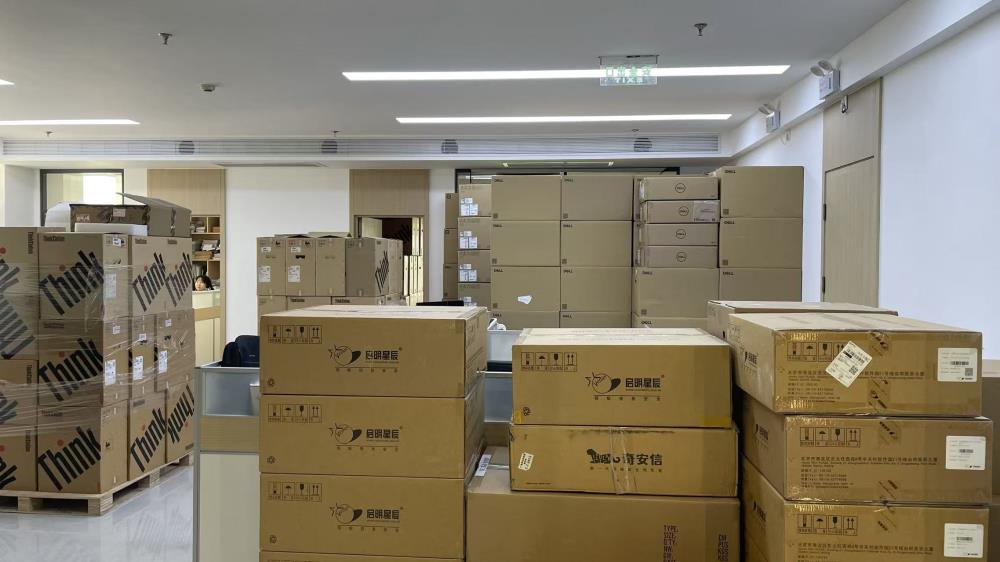
The application of wireless energy transfer varies widely depending on localized regional demands and target industry sectors. Our engineering frameworks target three core segments:
Industrial Automation (Eastern Europe): Heavy integration into AGVs and smart factory warehouse vehicles. Inductive charging eliminates exposed contact points, mitigating arc hazards and system degradation in high-dust and corrosive production facilities.
High-End Commercial Environments (Mid East): Integration into smart commercial spaces, transport terminals, and secure public facilities requiring high-frequency, weather-resistant structural components.
Resilient Infrastructure Nodes (Africa): Focus on off-grid systems, robust surge mitigation, and ruggedized packaging configurations suitable for unstable energy supply matrices.
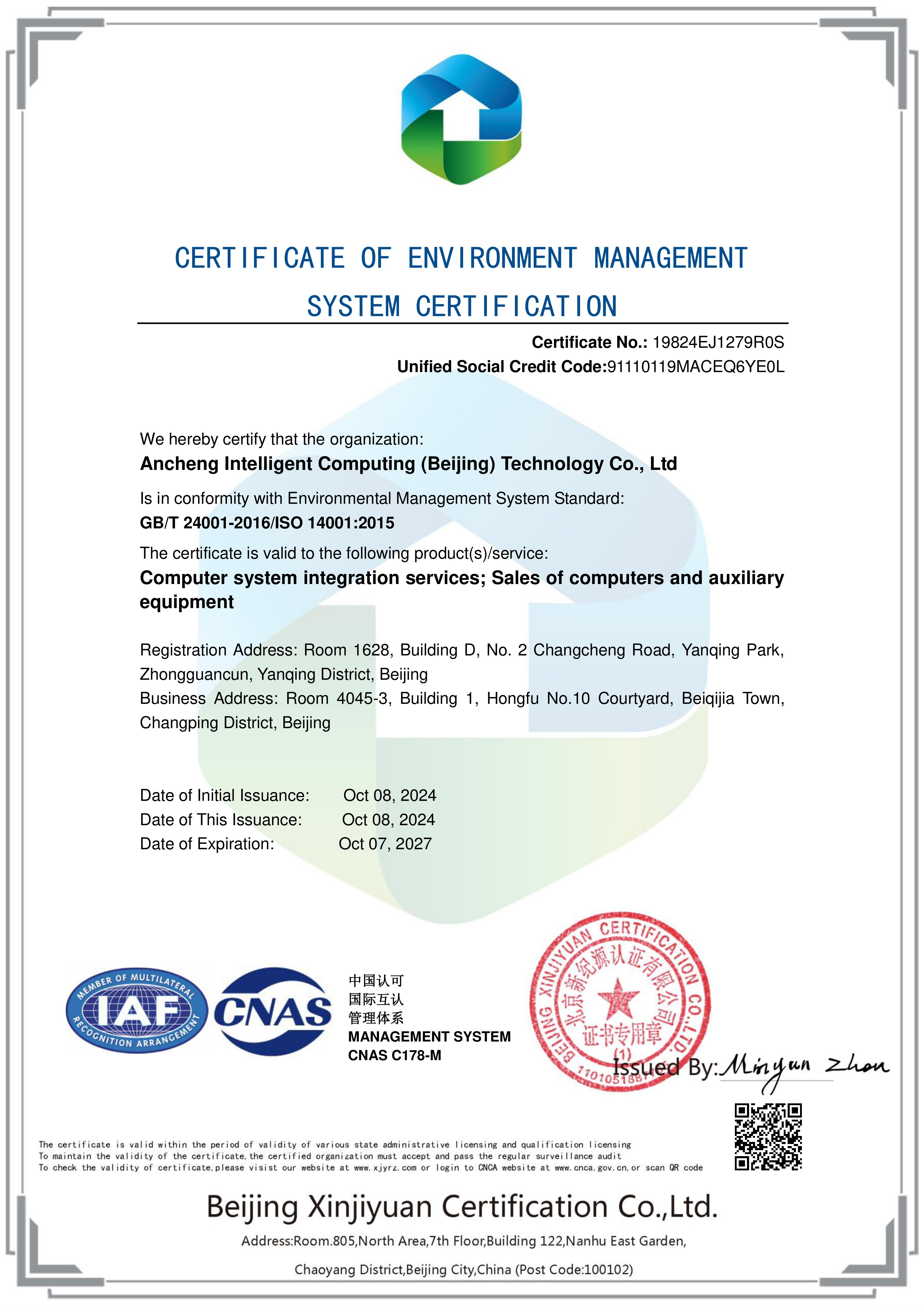
 ISO14001
19824EJ1279R0S
ISO14001
19824EJ1279R0S
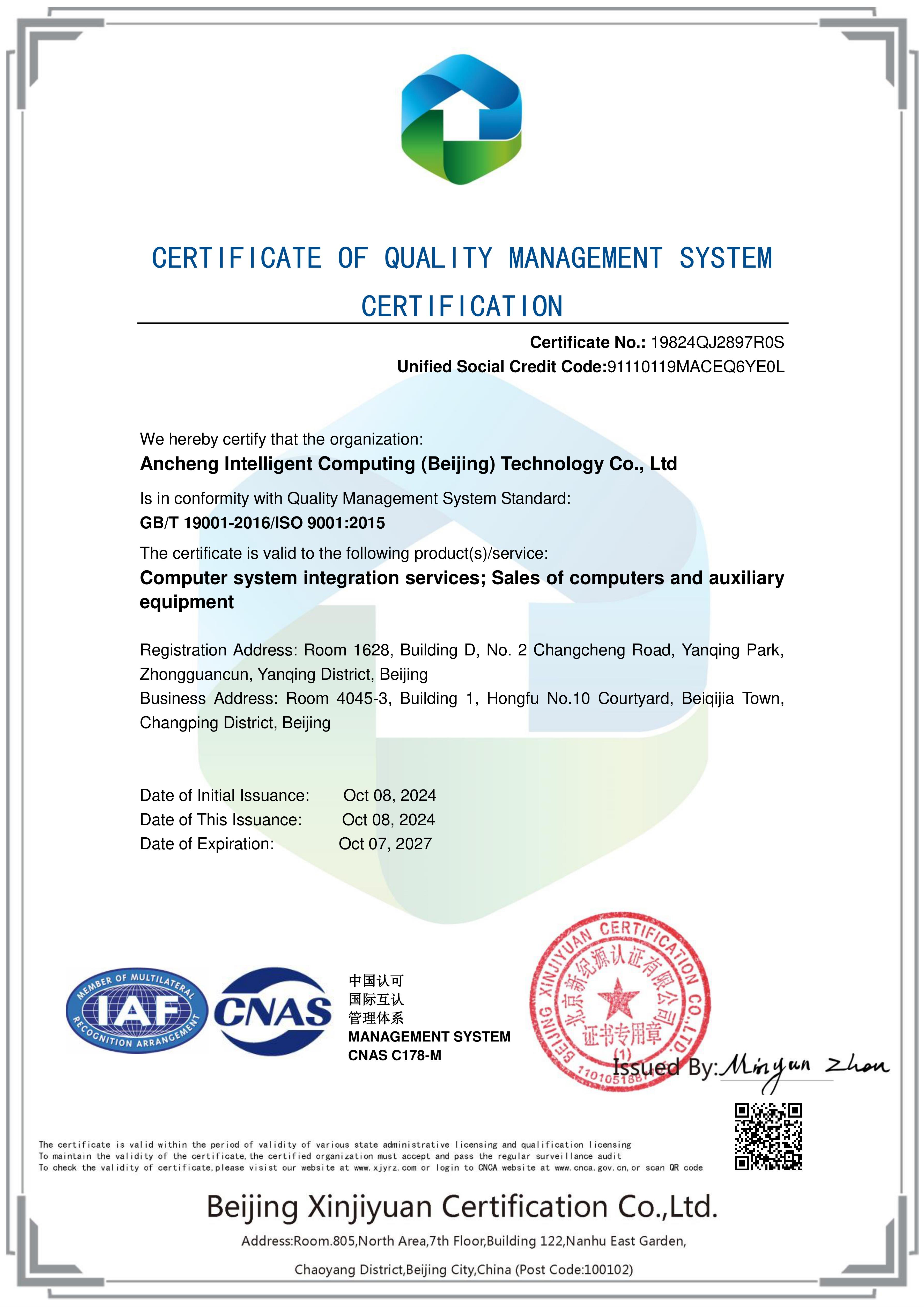
 ISO 9001
19824QJ2897R0S
ISO 9001
19824QJ2897R0S
We provide full layout design options including custom coil topologies, PCB modifications, specific input voltage curves (5V/9V/12V up to high-voltage industrial standards), and proprietary housing integrations. Customization covers firmware configuration, dynamic LED array layouts, and thermal protection criteria to align with specific brand guidelines.
Our designs employ multi-layer heat dissipation configurations. Using copper heat-spreaders, high-conductivity thermal interfaces, and smart firmware throttling, we keep temperatures below 40°C even under high load. This prevents power cycling and guarantees peak transmission rates.
We apply rigorous quality testing methodologies, operating under verified ISO 9001 and ISO 14001 frameworks. Every single product undergoes comprehensive test routines (100% inspection rate). This protocol monitors electrical efficiency, physical tolerances, foreign object safety responses, and circuit integrity prior to global export shipping.
Inductive configurations require tight physical contact and alignment (typically under 8mm). Magnetic resonance allows larger air gaps (up to 50mm) and spatial misalignment, allowing the receiver to charge comfortably nearby. This layout is ideal for commercial furniture integrations and robotic docking stations.
 Aiserver Manufacturer